How Artificial Intelligence is Revolutionizing Technical Analysis for Modern Traders
The landscape of financial trading has undergone a remarkable transformation with the integration of artificial intelligence into technical analysis. Today's traders are leveraging sophisticated AI advisory systems that process vast amounts of market data, recognize complex chart patterns, and analyze indicators with unprecedented accuracy. This technological evolution is democratizing access to professional-grade market analysis tools that were once available only to institutional investors.
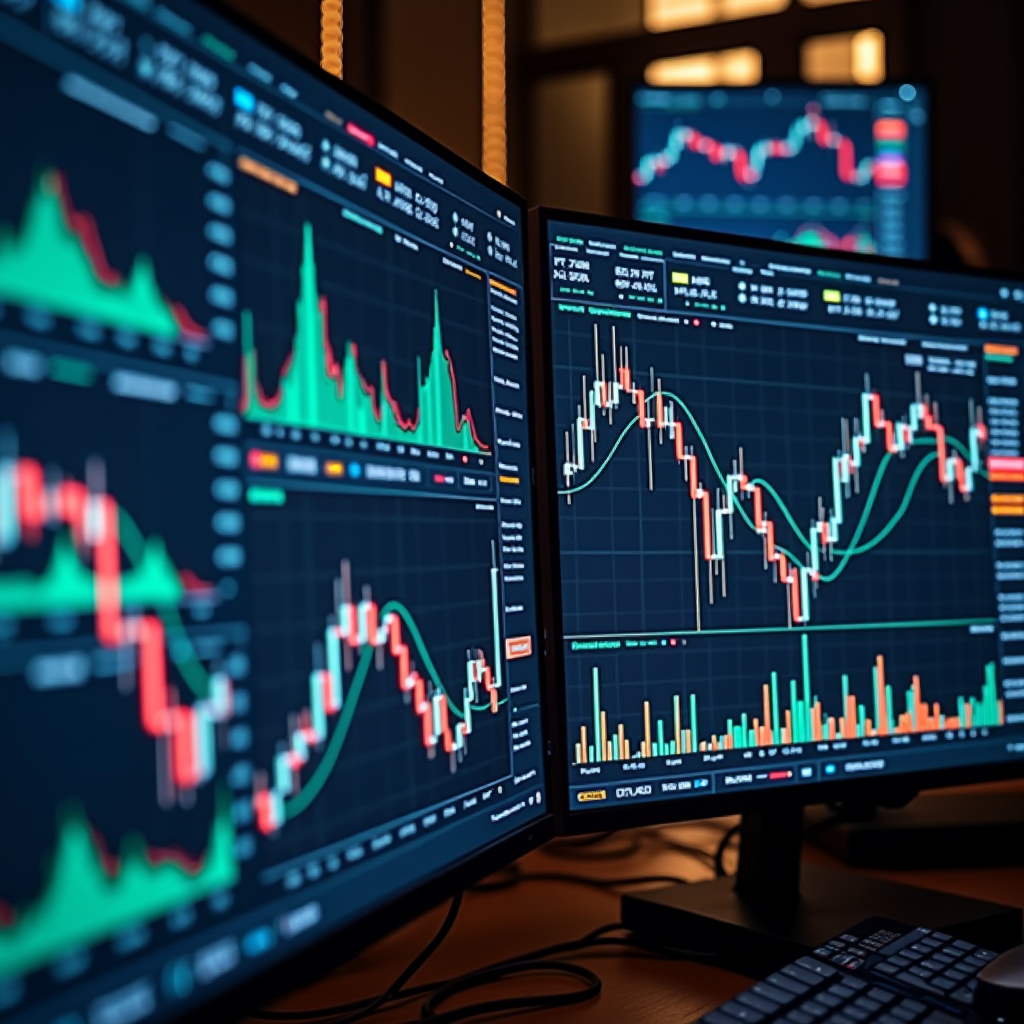
The Evolution of Technical Analysis Through AI Integration
Technical analysis has been a cornerstone of trading strategy for decades, relying on historical price data, volume patterns, and various mathematical indicators to forecast future market movements. Traditional technical analysis required traders to manually study charts, identify patterns, and interpret multiple indicators simultaneously. This process was time-consuming, prone to human error, and often influenced by emotional biases that could cloud judgment during critical trading decisions.
The introduction of artificial intelligence has fundamentally changed this paradigm. Modern AI trading advisors can process thousands of data points per second, analyzing multiple timeframes and asset classes simultaneously. These systems employ machine learning algorithms that continuously improve their pattern recognition capabilities by learning from historical market behavior. Unlike human traders who may miss subtle correlations or become fatigued during extended market sessions, AI systems maintain consistent analytical performance around the clock.
What makes AI-powered technical analysis particularly powerful is its ability to identify complex patterns that might be invisible to the human eye. Advanced neural networks can detect subtle relationships between seemingly unrelated market indicators, uncovering trading opportunities that traditional analysis methods might overlook. This capability extends beyond simple pattern matching to include sentiment analysis from news sources, social media trends, and macroeconomic indicators, creating a comprehensive view of market conditions.
The integration of AI into technical analysis has also addressed one of the most significant challenges in trading: removing emotional decision-making from the equation. Fear and greed have historically been the downfall of many traders, leading to premature exits from profitable positions or holding losing trades too long. AI advisory systems provide objective, data-driven recommendations based purely on technical merit, helping traders maintain discipline and stick to their strategic plans even during volatile market conditions.
Advanced Chart Pattern Recognition Capabilities
Chart pattern recognition represents one of the most impressive applications of artificial intelligence in technical analysis. Traditional traders spend years learning to identify classic patterns such as head and shoulders, double tops and bottoms, triangles, flags, and wedges. Even experienced analysts can sometimes misidentify patterns or miss them entirely when monitoring multiple markets. AI systems have revolutionized this aspect of technical analysis by automating pattern detection with remarkable accuracy and speed.
Modern AI trading advisors utilize computer vision techniques adapted from image recognition technology to scan price charts across multiple timeframes simultaneously. These systems can identify not only the classic textbook patterns but also variations and hybrid formations that might signal significant market moves. The algorithms are trained on vast datasets containing thousands of historical pattern examples, learning to distinguish between valid patterns with high probability outcomes and false signals that could lead to losing trades.
What sets AI-powered pattern recognition apart is its ability to quantify pattern quality and assign probability scores to potential outcomes. Rather than simply identifying that a head and shoulders pattern exists, advanced systems can evaluate the pattern's symmetry, volume characteristics during formation, and historical success rates of similar patterns under comparable market conditions. This probabilistic approach provides traders with valuable context for decision-making, allowing them to prioritize high-confidence setups and avoid marginal opportunities.
The real-time nature of AI pattern recognition offers another significant advantage. As price action unfolds, these systems continuously update their analysis, alerting traders to emerging patterns before they fully develop. This early warning capability enables proactive position planning rather than reactive trading, giving users time to prepare entry strategies, set appropriate stop losses, and calculate position sizes based on the pattern's projected price targets. The speed at which AI can process this information far exceeds human capability, often identifying opportunities within milliseconds of pattern completion.
Comprehensive Market Indicator Analysis and Integration
Technical indicators form the mathematical foundation of market analysis, providing quantitative measures of price momentum, trend strength, volatility, and market sentiment. Traditional traders typically monitor a handful of favorite indicators, but the sheer number of available technical tools can be overwhelming. Moving averages, relative strength index, MACD, Bollinger Bands, stochastic oscillators, and dozens of other indicators each offer unique insights, but interpreting them collectively requires significant expertise and experience.
AI advisory systems excel at synthesizing information from multiple indicators simultaneously, creating a holistic view of market conditions that would be impossible for human traders to maintain manually. These systems can monitor dozens of indicators across multiple timeframes, identifying convergence and divergence signals that suggest high-probability trading opportunities. When multiple indicators align to confirm a particular market direction, the AI can assign higher confidence scores to its recommendations, helping traders distinguish between strong signals and noise.
Machine learning algorithms have also enabled the development of adaptive indicator systems that adjust their parameters based on current market conditions. Traditional indicators use fixed settings that may work well in trending markets but generate false signals during consolidation periods. AI-powered systems can dynamically optimize indicator parameters, recognizing when markets transition between different regimes and adjusting analysis methods accordingly. This adaptability significantly improves signal quality and reduces the number of whipsaw trades that plague static indicator strategies.
Furthermore, advanced AI systems can identify custom indicator combinations that work particularly well for specific assets or market conditions. Through backtesting millions of indicator permutations against historical data, these systems discover unique analytical approaches that might never occur to human analysts. This capability extends the boundaries of technical analysis beyond traditional methods, creating proprietary analytical frameworks that provide users with competitive advantages in increasingly crowded markets.
Real-World Applications and Practical Benefits for Traders
The practical implementation of AI-powered technical analysis has transformed how traders approach markets across all experience levels. Novice traders benefit from having access to institutional-grade analysis tools that guide their learning process and help them avoid common beginner mistakes. The AI acts as a tireless mentor, providing consistent analytical frameworks and helping new traders develop disciplined approaches to market analysis. Rather than being overwhelmed by the complexity of technical analysis, beginners can focus on understanding the reasoning behind AI recommendations and gradually build their own analytical skills.
Experienced traders find that AI advisory systems complement their existing expertise by handling the time-consuming aspects of market monitoring and analysis. Professional traders can leverage AI to scan hundreds of markets simultaneously, identifying opportunities that align with their trading strategies while they focus on execution and risk management. This division of labor allows skilled traders to scale their operations beyond what would be possible through manual analysis alone, potentially managing larger portfolios or trading more markets without sacrificing analytical quality.
The advisory nature of these AI systems represents a crucial distinction from fully automated trading bots. Rather than executing trades automatically, AI advisors provide recommendations that traders can evaluate and act upon based on their own judgment and risk tolerance. This approach maintains human oversight while leveraging computational power for analysis, creating a collaborative relationship between trader and technology. Users retain full control over their trading decisions while benefiting from AI-generated insights that enhance their decision-making process.
Risk management capabilities represent another significant practical benefit of AI-powered technical analysis. These systems can calculate optimal position sizes based on account equity, volatility measurements, and historical pattern success rates. They can also monitor open positions continuously, alerting traders to technical developments that might warrant position adjustments or exits. This constant vigilance helps protect capital during adverse market moves while allowing profitable positions to develop according to technical projections.
The Future Landscape of AI-Assisted Trading
As artificial intelligence technology continues to advance, the capabilities of trading advisory systems are expanding rapidly. Natural language processing improvements are enabling AI systems to incorporate fundamental analysis alongside technical indicators, analyzing earnings reports, central bank statements, and economic data releases to provide more comprehensive market context. This multi-dimensional approach creates a more complete picture of market conditions, helping traders understand not just what technical patterns suggest but why markets might be moving in particular directions.
The integration of sentiment analysis from social media and news sources represents another frontier in AI trading advisory development. By monitoring trader sentiment across various platforms and correlating it with technical patterns, AI systems can identify situations where market psychology might amplify or dampen technical signals. This sentiment-aware technical analysis provides additional layers of confirmation for trading decisions, particularly useful during periods of high market uncertainty or major news events.
Personalization capabilities are also evolving, with AI systems learning individual trader preferences and adapting their recommendations accordingly. These systems can track which types of setups a trader prefers, their typical holding periods, and their risk tolerance levels, then filter recommendations to match these preferences. This customization ensures that AI advice aligns with each trader's unique style and objectives rather than providing generic recommendations that might not suit everyone.
The democratization of sophisticated trading tools through AI technology is leveling the playing field between retail and institutional traders. What once required teams of analysts and expensive data feeds is now accessible to individual traders through AI advisory platforms. This accessibility is fostering a new generation of informed, technically proficient traders who can compete effectively in modern markets. As these technologies continue to mature and become more widely adopted, they are fundamentally reshaping the trading landscape, making professional-grade analysis available to anyone with the dedication to learn and apply these powerful tools effectively.
The integration of artificial intelligence into technical analysis represents one of the most significant technological advances in trading history. By combining computational power with sophisticated analytical algorithms, AI advisory systems are empowering traders worldwide to make more informed decisions based on comprehensive market analysis. As these technologies continue to evolve, they promise to further enhance the capabilities available to traders at all levels, making professional-grade market analysis more accessible than ever before.